Wisdom Teeth Removal for Young Adults: What to Expect
Wisdom teeth have a way of becoming a bigger topic than anyone expects. For many young adults, they appear quietly in the late teens or early twenties, show up on a routine dental X-ray, and suddenly become the focus of consultations, scheduling, cost questions, and a little nervous anticipation. Some never cause trouble. Others crowd the back of the mouth, push against neighboring teeth, or stay trapped under the gums and bone. When a dentist or oral surgeon recommends Wisdom Teeth Removal, the advice usually comes from a practical place: preventing pain, infection, damage, or a more difficult surgery later on.
What catches many people off guard is that the procedure itself is often simpler than the worry leading up to it. The recovery, however, takes planning. It is not usually a major medical ordeal, but it is not nothing either. If you are a student, starting a job, playing sports, or trying to keep up with a busy social schedule, it helps to know what the first few days really feel like and what tends to make recovery smoother.
Why wisdom teeth become a problem
Wisdom teeth are the third molars, the last large teeth to develop. Most people have up to four, one in each far corner of the mouth. Human jaws often do not have enough room for them to come in cleanly. That mismatch between tooth size and jaw space is where trouble starts.
Sometimes a wisdom tooth erupts normally and functions like any other molar. That is the minority. More often, it comes in at an angle, partially erupts through the gum, or stays impacted beneath the gumline. A partially erupted wisdom tooth is especially troublesome because it creates a flap of tissue that can trap food and bacteria. Patients often describe a sore, swollen area in the very back of the mouth that seems to flare up without warning. That can be the start of pericoronitis, an infection around a partially erupted tooth.
Impacted wisdom teeth can also press against second molars, contribute to decay in hard-to-clean areas, or form cysts in rare cases. Not every impacted tooth causes immediate symptoms, but waiting until there is severe pain or infection can make treatment less convenient and recovery less pleasant. Younger adults generally heal faster, and the roots of wisdom teeth are often less fully formed than they are later in life. That is one reason dentists and surgeons commonly discuss removal during the late teen years or early twenties.
The first appointment: what your surgeon is assessing
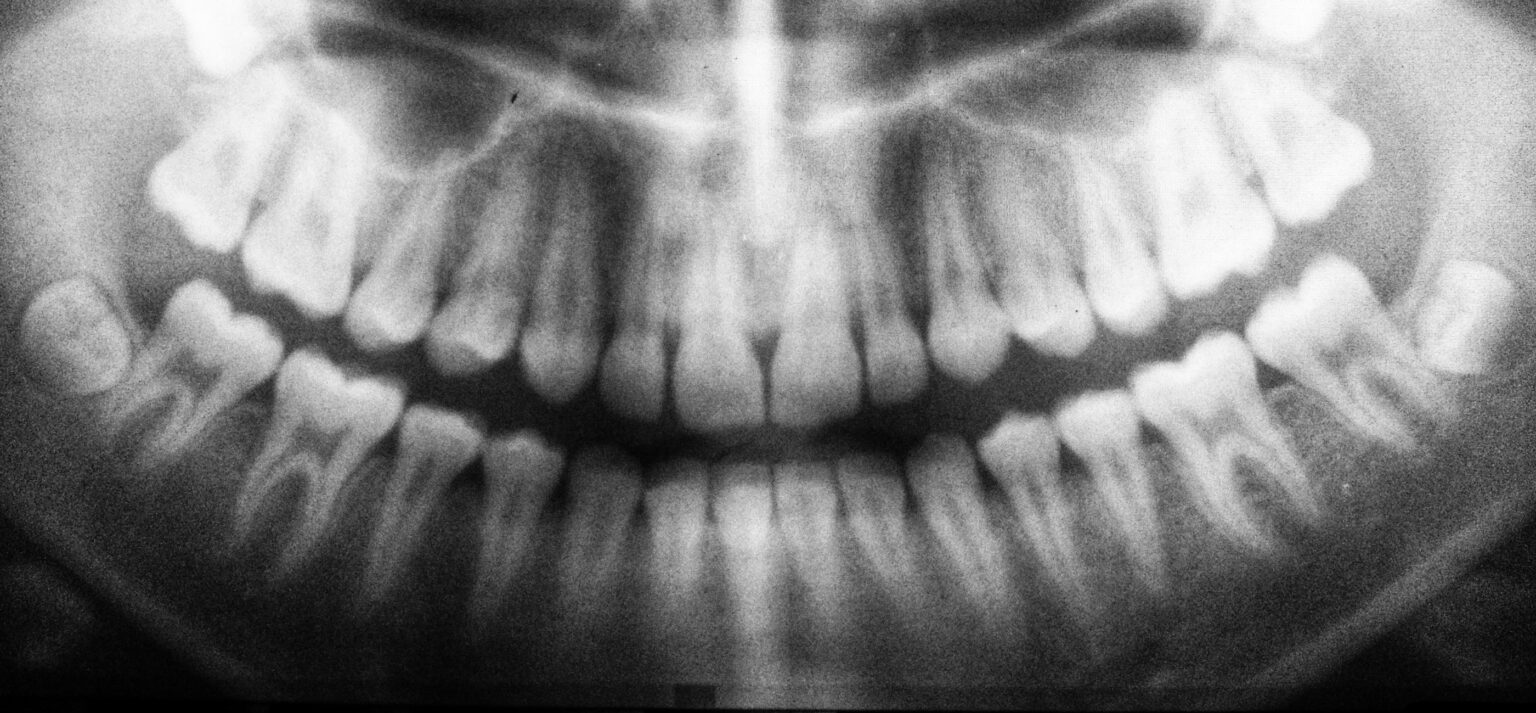
A consultation for Wisdom Teeth Removal is more than a quick glance and a date on the calendar. The surgeon is trying to answer a few specific questions. Are the teeth erupted, partially erupted, or fully impacted? How close are the lower wisdom teeth to the mandibular nerve, which runs through the lower jaw? What shape are the roots? Is there active infection, swelling, decay, or damage to the neighboring molars? Does the patient have medical conditions, medications, or anxiety levels that affect the plan?
Panoramic X-rays are standard, and in some cases a 3D scan is helpful, especially when a lower wisdom tooth appears close to the nerve canal. That does not automatically mean there will be nerve injury, far from it, but it affects how the surgeon approaches the extraction and how risks are discussed. A careful consultation should feel specific to your anatomy, not like a generic speech.
Young adults often ask one question first: do all four have to come out at once? Sometimes the answer is yes, especially if they are all likely to cause issues and the patient would rather do one recovery instead of several. Sometimes only one or two need removal. There is no prize for extracting teeth that are healthy, functional, and unlikely to create problems. The decision should be based on findings, symptoms, and long-term risk, not a one-size-fits-all habit.
Sedation, anesthesia, and what the day feels like
One of the biggest sources of anxiety is not the surgery itself but the uncertainty around sedation. In everyday conversation, people often say they are being "put under," but that can mean different things. Some wisdom teeth are removed with local anesthesia alone, meaning the mouth is numb but the patient is awake. Others are done with local anesthesia plus nitrous oxide or oral sedation. Many young adults choose IV sedation, which creates a sleepy, semi-aware or minimally remembered experience, depending on the medications used.
The right choice depends on how complex the extractions are, how anxious the patient is, and what the practice offers. For a straightforward erupted tooth, local anesthesia may be completely reasonable. For four impacted teeth in a nervous patient, IV sedation is often the more comfortable route.
What most patients notice is this: the procedure is usually over faster than expected. A case involving four wisdom teeth may take less than an hour of actual surgical time, though you should plan for more time in the office for preparation and recovery. Afterward, if you had IV sedation, you will likely feel groggy and need a responsible adult to drive you home and stay with you for a while.
Preparing for surgery without overthinking it
The best preparation is practical, not dramatic. You do not need to turn your apartment into a recovery ward, but you do want a few basics ready before the appointment, especially if you are coming home sleepy and swollen.
- Fill prescribed medications ahead of time if your surgeon allows it.
- Stock soft foods such as yogurt, applesauce, mashed potatoes, soup, scrambled eggs, or smoothies you can eat with a spoon.
- Have ice packs or cold compresses ready in the freezer.
- Plan a ride home and, if you are sedated, someone to stay nearby for the first several hours.
- Clear your schedule for at least two to three quieter days, and longer if your job is physical.
That final point matters more than many young adults realize. I have seen patients bounce back quickly after simple extractions, and I have seen otherwise healthy college athletes underestimate the swelling and jaw stiffness that can follow more difficult impactions. If you can Wisdom Teeth Removal give yourself a genuine recovery window, you tend to heal better and worry less.
What actually happens during Wisdom Teeth Removal
After checking in, you will review consent forms, medications, allergies, and the plan. If you are having IV sedation, monitors are placed and the IV is started. Once you are numb, the surgeon removes the wisdom teeth using techniques based on their position. Erupted teeth may come out similarly to other extractions, with careful loosening and removal. Impacted teeth often require a small incision in the gum, some bone removal, and sometimes sectioning the tooth into pieces so it can be taken out with less force.
That sounds more intense on paper than it usually feels in real life. The area is thoroughly numbed, so pain during the procedure should be controlled. Pressure is common. Strange sounds are common too, especially with impacted teeth. Surgeons know that these sensations can be unnerving when patients are awake, which is one reason sedation can be so helpful for the right person.
Once the teeth are out, the area is cleaned, and stitches may be placed. Many practices use dissolving sutures. Gauze is positioned so you can bite down and help a clot form. Those blood clots are essential to healing. Much of the aftercare advice revolves around protecting them.
The first 24 hours are about clot protection and swelling control
The day of surgery is usually less painful than people expect because the numbness and any sedation medications are still doing part of the work. The second and third days can be tougher. That is when swelling peaks and soreness becomes more noticeable.
Bleeding is usually more of an ooze than active bleeding. Saliva mixed with a small amount of blood can look dramatic, but it is often normal. Steady, heavy bleeding that fills gauze quickly is different and worth calling about. Most patients do best when they bite on gauze as instructed, rest with their head elevated, and avoid the common mistakes that disrupt clots.
Straws are a classic example. The suction can dislodge a clot. So can forceful spitting, vigorous rinsing too soon, smoking, vaping, and intense physical activity. Dry socket, one of the most talked-about complications, happens when the protective clot is lost too early or fails to form well. The exposed bone and nerve endings can cause deep, throbbing pain that often starts a few days after surgery rather than immediately. It is uncomfortable, but treatable, and not dangerous when managed properly. Smokers and vape users have a higher risk, which is one reason surgeons strongly advise stopping for the healing period.
Ice helps in the first day or so, especially when used on and off in short intervals. After that, some patients find gentle warmth more comforting as stiffness sets in. Prescription pain medication is sometimes used, though many patients manage well with alternating nonprescription medications if their surgeon approves and if there are no medical reasons to avoid them. Follow the instructions you are given rather than borrowing advice from friends, because pain plans differ based on health history and surgical complexity.
Eating, drinking, and dealing with the weirdness of recovery
Few parts of recovery are as frustrating as trying to eat when your jaw is sore, your cheeks feel puffy, and the back of your mouth is tender. The key is not to chase normal too quickly. Soft, cool or lukewarm foods are usually easiest at first. Smooth soups are fine once they are not hot. Yogurt, cottage cheese, oatmeal, mashed avocado, noodles, and eggs work well for many people. Crunchy chips, nuts, popcorn, rice, and seeded foods are not ideal early on because they can lodge in the extraction sites.
By the second or third day, many young adults think, "I feel pretty good, I can probably eat a burger." Sometimes they can. Sometimes that confidence ends with throbbing pain and a pocket of food trapped near stitches. A better approach is to let comfort guide you and scale up gradually. Recovery is rarely linear. You may feel almost normal in the morning and more swollen by evening.
Hydration matters more than people expect. A dry mouth feels worse, and pain medications can add nausea or constipation if you are underhydrated. Sip water regularly. If your surgeon gave you irrigation instructions for the sockets, follow the timing carefully. Some prefer that patients start gentle rinsing with salt water after the first day, while others add a syringe later in recovery for lower extraction sites that collect food. The exact timing depends on the surgeon’s method and the case itself.
How much pain and swelling are normal?
This is where expectations help. Some swelling, soreness, and limited mouth opening are routine. Mild bruising along the jaw or under the chin can also happen, especially after more involved lower extractions. Most young adults are noticeably better by day three to five, though full tissue healing takes longer and the small holes where the teeth were removed can remain for weeks as they gradually fill in.
Pain should generally improve over time, even if it fluctuates during the day. It should respond at least somewhat to the pain plan you were given. What tends to concern surgeons is severe pain that gets worse after a period of improvement, swelling that rapidly increases after the third day, fever, foul taste with significant drainage, or trouble swallowing and breathing. Numbness of the lip, chin, or tongue can occasionally occur after lower wisdom tooth surgery because of the nearby nerves. In many cases if it occurs, it is temporary, but it deserves prompt discussion with the surgeon.
A few complications are possible, but context matters
Complications are worth understanding without letting them dominate the experience. Most Wisdom Teeth Removal procedures heal uneventfully. That said, every surgery has trade-offs, and a good surgeon does not minimize them.
Dry socket is the complication people hear about most often. It is painful but manageable. Infection is possible, though many post-op concerns turn out to be normal inflammation rather than infection. Sinus involvement can occur with upper wisdom teeth because their roots may sit near the sinus floor. Temporary jaw stiffness is common. Nerve irritation with lower wisdom teeth is discussed carefully because it can affect sensation in the lip, chin, or tongue, though permanent changes are uncommon.
The important thing is not to diagnose yourself from social media horror stories. Online advice often strips away the details that matter, such as whether a tooth was deeply impacted, whether there was preexisting infection, or whether the patient ignored post-op instructions and went to a concert that night. Individual anatomy changes the picture.
When to call the surgeon
Most offices would rather hear from you early than late if something feels off. A good rule is to contact them if symptoms fall outside the expected pattern rather than trying to tough it out.
- Bleeding stays heavy despite firm gauze pressure.
- Pain sharply worsens after the first couple of days.
- Swelling is rapidly increasing, especially with fever or trouble swallowing.
- You have vomiting, rash, or another reaction after taking medication.
- Numbness persists or appears significant after lower wisdom tooth surgery.
That does not mean every concern is an emergency. It means unusual symptoms deserve a professional answer from the team that knows your case.
School, work, sports, and social plans
This is where practical judgment matters more than optimism. If your schedule is flexible, take surgery seriously enough to protect recovery. If you have a desk job, you may be back in a couple of days, especially after straightforward extractions. If you work in food service, construction, retail on your feet all day, or anything physically demanding, you may need longer. Athletes should discuss timing carefully. Heavy lifting and hard workouts too soon can increase bleeding and throbbing.
Students often try to squeeze surgery into a narrow window between exams, then regret it when swelling peaks on test day. Whenever possible, avoid planning the procedure right before something that requires full concentration, public speaking, travel, or photos you care about. Even when healing goes smoothly, a puffy face and limited jaw opening are common for a few days.
Cost and the value question
Cost varies widely depending on the number of teeth, whether they are erupted or impacted, the type of anesthesia, and regional pricing. Insurance may cover part of the expense, but benefits differ significantly. Some offices provide package estimates that include imaging, sedation, surgery, and follow-up. Others itemize everything. It is reasonable to ask exactly what the quote includes.
For young adults paying partly out of pocket, the temptation is to postpone if the teeth are not hurting today. Sometimes that is sensible. Sometimes it is false economy. A tooth that is already causing repeated gum infections, decay on the second molar, or resorption risk is not likely to become cheaper or easier later. On the other hand, a fully erupted, healthy wisdom tooth that is easy to clean and not causing crowding or disease may not need immediate action. The best decision balances current findings, future risk, age, cost, and your ability to recover at a convenient time.
The emotional side is real, even when the surgery is routine
Young adults often feel pressure to treat this as no big deal. Friends swap stories, jokes circulate about saying silly things after sedation, and the whole experience gets packaged as a rite of passage. That can be reassuring, but it can also minimize the fact that surgery makes many people anxious.
It helps to ask direct questions before the procedure. How long is recovery likely to take in my case? Will I need stitches? What kind of sedation do you recommend and why? How close are the lower roots to the nerve? What should I expect on day two and day three? Good answers reduce fear because they replace vague dread with specifics.
If you are someone who copes better with detail, let the office know. If too much detail makes you more nervous, tell them that too. Clinicians tend to adjust their communication style when they know what helps the patient. That is not a small point. A calm, well-prepared patient usually has a better overall experience than one who arrives sleep-deprived, underfed, and relying on dramatic TikTok stories for guidance.
What recovery usually looks like by the end of the first week
By day five to seven, many young adults are off stronger pain medication if they needed it at all, swelling is clearly improving, and eating feels easier. There may still be tenderness when chewing, and the extraction sites can look unimpressive, a little hollow, with whitish healing tissue that some patients mistake for infection. Mouth opening often lags behind pain improvement, especially after lower impacted teeth. This is common and usually loosens gradually with time.
You may still need to rinse after meals and keep food away from the sockets. Breath can be less than ideal for a few days, even with normal healing. That tends to improve as the tissues close and oral hygiene returns to normal. Brushing the rest of your teeth thoroughly remains important, but be gentle near the surgical areas at first.
The final stage of healing is less dramatic but longer. Gums seal over, the socket fills with tissue and bone, and the jaw settles. Most people stop thinking about the surgery long before healing is technically complete.
The big picture
For most young adults, Wisdom Teeth Removal is a short procedure with a manageable recovery, provided the timing is thoughtful and the aftercare is taken seriously. The stress usually comes from uncertainty, not from the surgery itself. A clear consultation, realistic planning, and a little patience during the first few days make a meaningful difference.
If your dentist or oral surgeon has recommended removal, the useful question is not simply, "Do I have to do it?" A better question is, "What is happening with these teeth, what are the risks of leaving them alone, and what would recovery likely look like in my case?" That conversation gets you closer to a sound decision than any blanket advice ever will.
And once the decision is made, the goal is straightforward: protect the clots, control swelling, stay ahead of pain, eat gently, and give your body a few quiet days to heal. For a procedure that inspires so much dread, that simple approach carries most people through it remarkably well.
Oxnard Dentistry
1730 E Gonzales Rd, Oxnard, CA 93036, United States
+1 805-307-8731
FAQ About Wisdom Teeth Removal
How painful is it to remove a wisdom tooth?
Local anesthetic numbs the area during extraction. Pressure may still be noticeable; tell the dentist if you feel pain. Soreness and swelling afterward are common. Follow the pain-control instructions provided for your situation.
How long is recovery for wisdom teeth extractions?
Recovery varies with the tooth position and complexity of the extraction. Some people resume routine activities quickly, while others need several days of rest. Soreness, swelling and jaw stiffness can last up to two weeks. Follow your clinician's aftercare and activity advice.
What are the risks of wisdom tooth removal?
Possible complications include dry socket, infection, persistent bleeding and changes in sensation from nearby nerve injury. Your dentist or oral surgeon should explain your individual risks before treatment. Seek prompt dental advice for bleeding that will not stop, fever, or severe or worsening pain and swelling.