Why Wisdom Teeth Removal Is Sometimes Necessary
The phrase "wisdom teeth" sounds almost gentle, as if these late-arriving molars bring maturity with them. In practice, they often create a very ordinary clinical problem: there is simply not enough room in the jaw for them to erupt normally. When that happens, a tooth may stay trapped under the gum, push against the neighboring molar, collect bacteria in a hard-to-clean pocket, or set off repeated bouts of pain and swelling. That is why Wisdom Teeth Removal remains one of the most common oral surgery procedures.
Not everyone needs it. Some people have enough space, their wisdom teeth come in straight, and they can keep them clean for decades with no trouble. Others are not so lucky. The real issue is not whether a person has wisdom teeth, but whether those teeth are healthy, functional, and likely to stay that way.
Dentists and oral surgeons do not recommend removal just because a third molar exists. The decision usually comes from a mix of anatomy, symptoms, X-ray findings, age, and the expected long-term risk. Seen up close, it is a judgment call rooted in prevention as much as treatment.
What wisdom teeth actually are
Wisdom teeth are the third molars, the last large chewing teeth at the back of the mouth. Most adults can have up to four, one in each back corner of the upper and lower jaws. They usually begin to erupt in the late teens or early twenties, though the timing varies. Some people never develop all four. Some develop them but they remain buried in the bone. A smaller number have extra wisdom teeth, which can complicate treatment.
From an evolutionary standpoint, these molars made more sense when human jaws were generally larger and diets were rougher. Modern jaws are often smaller, and orthodontic treatment can further reveal how tight that space can be. By the time wisdom teeth try to emerge, the other permanent teeth have already claimed the available room.
That mismatch between tooth size and jaw space explains much of the trouble. A tooth that cannot erupt properly may tilt sideways, emerge only partway, or remain fully impacted. Each of those positions carries its own set of risks.
The most common reason, lack of space
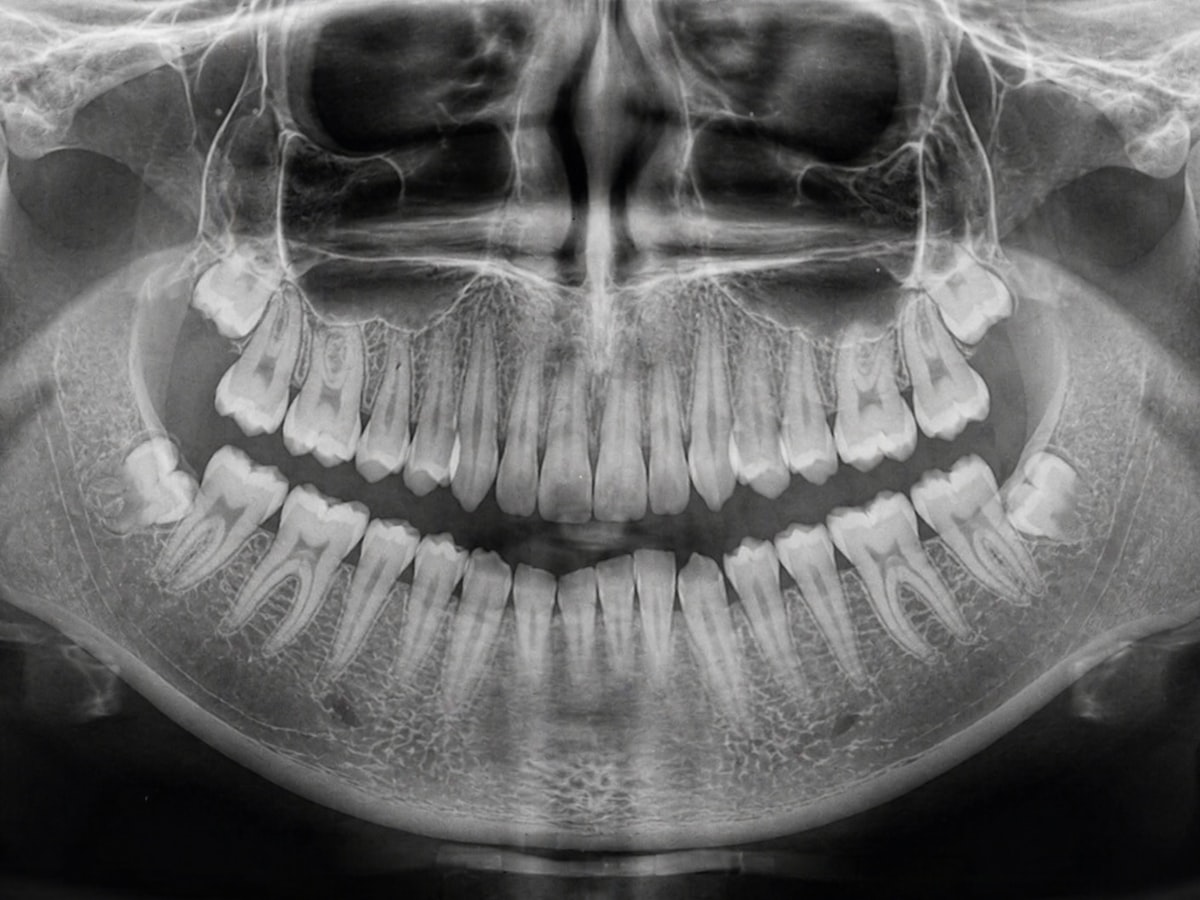
The simplest explanation for many wisdom tooth removals is crowding at the back of the mouth. If a third molar comes in at an angle, it may press against the second molar in front of it. Patients often describe this as a deep ache in the jaw or a pressure sensation that comes and goes. On an X-ray, the problem can look more dramatic than the symptoms suggest. A tooth may be leaning sharply into its neighbor long before the patient notices anything more than mild discomfort.
This pressure is not just annoying. In some cases, it can damage the second molar, the tooth that usually matters far more for everyday chewing. If the contact point traps plaque and food debris, decay can begin in a place that is Wisdom Teeth Removal difficult to detect and difficult to repair. A cavity on the back surface of the second molar, caused by a poorly positioned wisdom tooth, is one of those avoidable problems dentists would rather prevent than restore later.
Even when there is no obvious damage yet, limited space often means poor access for brushing and flossing. The very back of the mouth is hard enough to clean under ideal conditions. Add a partially erupted molar under a flap of gum, and it becomes a predictable site for inflammation.
When a tooth only partly erupts
Partially erupted wisdom teeth deserve special attention because they tend to cause repeated low-grade infections. A small section of the crown breaks through the gum while the rest stays trapped. The tissue overlying the tooth forms a pocket where bacteria thrive. Food packs into it easily. A toothbrush rarely reaches it well. The result is pericoronitis, an inflammation or infection of the gum around the erupting tooth.
Pericoronitis can start subtly. A patient may notice a sore area behind the last visible molar, bad taste, mild swelling, or discomfort when chewing. Sometimes it settles down with careful cleaning and a rinse. Sometimes it flares again a month later. In more severe cases, the swelling spreads into the cheek or jaw, the lymph nodes become tender, and opening the mouth becomes painful.
Repeated infections are one of the clearest reasons removal may be necessary. It is not only about relieving the current episode. It is about breaking a cycle that is likely to continue because the underlying anatomy has not changed. If a tooth sits in a position that invites bacterial buildup every few weeks or months, temporary treatment rarely solves the real problem.
Impacted teeth and the trouble they can hide
An impacted wisdom tooth is one that remains trapped under the gum, bone, or both. People often assume that if an impacted tooth does not hurt, it can be oxdentistry.com Wisdom Teeth Removal ignored forever. Sometimes that is true. Sometimes it is not.
The challenge is that asymptomatic does not always mean harmless. An impacted tooth can still contribute to cyst formation, gum disease around the adjacent molar, resorption of the neighboring tooth root, or decay in an area that is almost impossible to inspect clinically. These complications are not inevitable, but they are well-recognized enough that monitoring impacted wisdom teeth is part of routine dental care.
There is also the issue of position. A vertically impacted tooth covered by bone may be quite stable and uneventful for years. A mesioangular tooth, meaning one tipped forward toward the second molar, is more likely to create trouble where the two teeth meet. A horizontal impaction can be particularly problematic if it rests hard against the second molar root. The shape of the roots and their closeness to important structures, especially the inferior alveolar nerve in the lower jaw, can influence whether removal is straightforward, delayed, or approached with extra caution.
This is where panoramic X-rays and, in selected cases, cone beam imaging become useful. They do not predict the future with certainty, but they reveal enough about position, bone coverage, and nearby anatomy to make a reasoned plan.
Pain is not the only sign something is wrong
A surprising number of patients expect wisdom tooth trouble to announce itself dramatically. Sometimes it does. More often, the warning signs are ordinary and easy to dismiss. The mouth adapts. People chew on the other side. They assume occasional jaw soreness is stress or clenching. They blame bad breath on coffee or dehydration.
Several patterns tend to prompt closer evaluation:
- repeated swelling or tenderness behind the last molar
- pain when biting down at the back of the jaw
- food trapping in a hard-to-clean pocket
- decay or gum loss around the second molar
- X-ray evidence that the wisdom tooth is damaging nearby structures
The absence of severe pain does not rule out a problem. I have seen patients with very little discomfort who nonetheless had a deep cavity developing between the second and third molars. By the time symptoms became obvious, the second molar needed more extensive treatment than anyone would have preferred.
Why timing matters
One reason clinicians often discuss removal in the late teens or early twenties is that surgery is generally easier when the roots are not fully formed and the bone is less dense. Healing also tends to be smoother in younger patients. That does not mean older adults cannot have wisdom teeth removed successfully. They can, every day. It does mean the balance of risk and benefit may shift with age.
Younger patients often recover faster, with less postoperative stiffness and a lower chance of certain complications. Older patients may have fully developed roots, denser bone, existing gum disease, restorations on the second molars, or medical conditions that affect healing. None of those factors automatically rule out surgery, but they matter.
There is a practical side to timing as well. A wisdom tooth that is clearly unlikely to erupt properly may cause a small problem now and a bigger one later. If the goal is to protect the second molar, waiting until damage has already occurred defeats part of the purpose. On the other hand, removing every quiet, deeply buried wisdom tooth in every adult would also be too simplistic. Good care lives in that middle ground, where imaging, symptoms, and individual risk guide the choice.
Cases where removal may not be necessary
It is just as important to say when wisdom teeth can sometimes stay. A fully erupted wisdom tooth that sits in a functional position, has healthy gum support, no decay, and can be cleaned effectively may not need to come out at all. The same can be true for certain impacted teeth that are entirely encased in bone and show no sign of pathology on imaging.
This is where follow-up matters. Retaining wisdom teeth is not the same as forgetting about them. A quiet third molar should still be assessed during routine dental exams. If conditions change, the recommendation may change too.
There are also patients for whom surgery carries extra complexity, whether because of age, medications, medical history, or proximity of the roots to the nerve. In those cases, careful observation can be more appropriate than immediate extraction. The best decisions are rarely ideological. They are tailored.
Protecting the tooth in front of it
When dentists talk about Wisdom Teeth Removal, the conversation often focuses on the third molar itself. Clinically, one of the strongest reasons to intervene is to protect the second molar. That tooth is far more important in the long run. It is easier to clean, more useful in chewing, and harder to replace well if lost.
A badly positioned wisdom tooth can undermine it in several ways. Decay may start where the two teeth touch. Gum pockets may deepen behind it. Bone loss can appear along its distal surface, meaning the back side of the second molar. In some cases, pressure from the wisdom tooth contributes to root resorption, where the body gradually dissolves part of the root structure. That is not common, but when it happens, it can compromise a tooth that would otherwise have lasted for decades.
This point often changes how patients see the issue. Removing a problematic third molar is not always about taking out the tooth that hurts today. It is often about preserving the healthier tooth that matters more tomorrow.
What the evaluation usually involves
A proper wisdom tooth assessment is more than a quick glance. Symptoms matter, but the exam usually also includes a look at gum tissue behind the second molars, the amount of visible eruption, the ability to clean the area, jaw opening, bite, and X-rays. If a lower wisdom tooth appears close to the main sensory nerve, additional imaging may be advised to clarify the anatomy before surgery.
Questions about general health also matter. Smoking, diabetes, immune status, medications such as blood thinners, and a history of jaw radiation or bisphosphonate use can affect both planning and recovery. Patients sometimes think of wisdom tooth extraction as routine, and it often is, but routine does not mean casual. The details influence risk.
For someone with intermittent infections, the recommendation may be fairly direct. For someone with asymptomatic impacted teeth, the discussion is usually more nuanced. The clinician is weighing current findings against the likelihood of future trouble, while also considering how difficult removal may become later.
What recovery is really like
Most patients want a plain answer: how bad is it? The honest answer is that recovery varies with the number of teeth removed, whether they are erupted or impacted, the complexity of the roots, the patient's age, and how the body responds. A simple extraction of an upper erupted wisdom tooth can be surprisingly easy. Removal of four impacted third molars is a different experience.
Typical recovery includes swelling, soreness, limited jaw opening, and a few days of reduced comfort with eating. Many people feel most swollen on the second or third day rather than the first, which can be unsettling if they expect steady improvement from the moment they get home. Soft foods, good hydration, prescribed or recommended pain control, and careful oral hygiene make a substantial difference.
The first week is often the most inconvenient part. Most healthy younger adults can return to classes or desk work within a few days, though they may not feel fully normal for a week or more. Strenuous exercise usually waits a bit longer. The extraction sites continue remodeling beneath the surface for much longer than the visible healing suggests.
Potential risks, and why they are part of the decision
Every surgical recommendation should be honest about downside as well as benefit. Wisdom tooth extraction can lead to bleeding, infection, dry socket, sinus communication for some upper teeth, temporary or, rarely, permanent numbness involving the lower lip, chin, or tongue when lower teeth sit close to the nerve. These outcomes are not common across the board, but they are important enough to discuss clearly.
Dry socket deserves brief mention because patients hear about it often. It occurs when the blood clot at the extraction site breaks down or is lost too early, exposing the bone and causing significant pain. It is more common after lower wisdom tooth removal and more likely in smokers, people using straws too early, or those with difficult extractions. It is painful but treatable.
Nerve injury is the complication patients usually worry about most, and understandably so. The actual risk depends heavily on anatomy. In many cases it is low. In a small subset, especially when roots overlap the nerve canal on imaging, the discussion may include alternatives such as coronectomy, where the crown is removed and part of the root is intentionally left behind to reduce nerve risk. That option is not for every case, but it reflects how personalized modern planning can be.
A common point of confusion, do wisdom teeth cause crowding in front teeth?
This question comes up often, especially from adults who wore braces years earlier and notice their lower front teeth shifting. Wisdom teeth are frequently blamed, but the evidence for them being the main cause of late lower incisor crowding is weak. Teeth can shift over time for many reasons, including growth patterns, tongue and lip forces, gum support, and the natural tendency of the lower front teeth to become more irregular with age.
That said, the fact that wisdom teeth may not be the main driver of front crowding does not make them harmless. A dentist might advise removal because of decay risk, recurrent infection, or damage to the second molar, not because of orthodontic relapse. Those are different conversations and should not be confused.
What patients often notice before they seek help
In practice, people tend to come in for wisdom tooth evaluation after one of a handful of experiences. A college student wakes with swelling near the back tooth before exams and cannot bite without tenderness. A parent in their thirties, who never had the teeth removed, notices food constantly trapping behind a lower molar and now has a cavity there. A patient who feels completely fine learns from a routine panoramic X-ray that a lower wisdom tooth is lying sideways into the tooth in front of it.
The lesson in all three scenarios is similar. Problems can be dramatic, subtle, or silent. The need for Wisdom Teeth Removal is not based on age alone or pain alone. It comes from how the tooth behaves in the mouth and what it threatens if left in place.
The practical judgment behind the recommendation
Good dentistry is rarely about applying one rule to everyone. A healthy, accessible wisdom tooth in a spacious jaw can often stay. A partially erupted lower third molar with repeated pericoronitis almost always deserves serious consideration for removal. A deeply impacted tooth in a 45-year-old with no symptoms and no radiographic pathology may be watched. A similar tooth in a 19-year-old that already compromises the second molar may be better removed sooner rather than later.
That nuance matters because patients deserve more than a reflex recommendation. They deserve a clear explanation of the anatomy, the risks of leaving the tooth, the risks of taking it out, and how timing affects both. When that conversation is done well, the decision tends to make sense, even if surgery is not anyone's idea of a pleasant afternoon.
Wisdom teeth are not automatically bad teeth. They are simply the teeth most likely to run out of room, erupt poorly, and create conditions that invite infection or damage. When removal is recommended, it is usually because the costs of keeping them have begun to outweigh the costs of surgery. That is the real reason Wisdom Teeth Removal is sometimes necessary.
Oxnard Dentistry
1730 E Gonzales Rd, Oxnard, CA 93036, United States
+1 805-307-8731
FAQ About Wisdom Teeth Removal
How painful is it to remove a wisdom tooth?
Local anesthetic numbs the area during extraction. Pressure may still be noticeable; tell the dentist if you feel pain. Soreness and swelling afterward are common. Follow the pain-control instructions provided for your situation.
How long is recovery for wisdom teeth extractions?
Recovery varies with the tooth position and complexity of the extraction. Some people resume routine activities quickly, while others need several days of rest. Soreness, swelling and jaw stiffness can last up to two weeks. Follow your clinician's aftercare and activity advice.
What are the risks of wisdom tooth removal?
Possible complications include dry socket, infection, persistent bleeding and changes in sensation from nearby nerve injury. Your dentist or oral surgeon should explain your individual risks before treatment. Seek prompt dental advice for bleeding that will not stop, fever, or severe or worsening pain and swelling.