Top Smile Problems Solved by Veneers in Oxnard CA
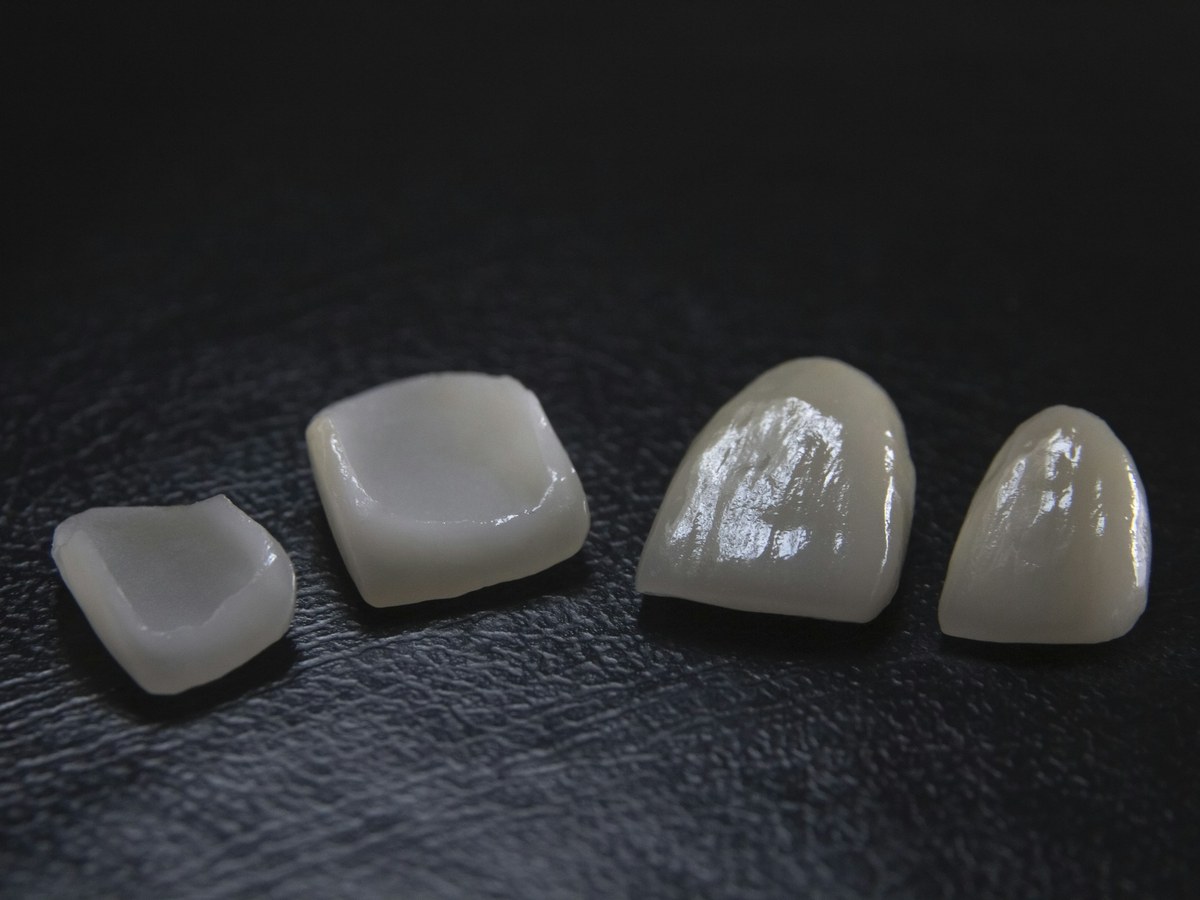
A good veneer case rarely starts with vanity alone. More often, it begins with a practical frustration that has lingered for years. Someone hides one side of their smile in photos because a front tooth is chipped. Someone else has healthy teeth but deep staining that whitening barely touches. Another person had braces, wore the retainer for a while, then watched a few front teeth drift just enough to be noticeable every time they look in the mirror.
That is where veneers tend to shine. They are not the answer for every cosmetic concern, and any dentist who says otherwise is oversimplifying the job. But for the right patient, veneers can solve several smile problems at once, often with a level of precision that bonding, whitening, or orthodontics alone cannot match.
In practices that provide Veneers Oxnard CA patients often come in asking for a brighter smile and leave understanding that color is only part of the story. Shape, proportion, edge position, symmetry, and how the teeth relate to the lips matter just as much. Veneers work because they let a dentist redesign those visible details in a controlled way.
Why veneers are such a common solution
A porcelain veneer is a thin custom shell bonded to the front of a tooth. In experienced hands, it changes what people notice first when they look at your smile: the visible surface, the contour, the length, the color, and the way light reflects off the enamel. Modern porcelain can mimic natural translucency surprisingly well, which is why a properly planned case looks refreshed rather than fake.
The reason veneers are so versatile is simple. Many smile concerns are surface and shape problems. If the underlying tooth is healthy, the bite is stable, and the gums are in good condition, covering the front surface can correct a lot without full crowns or more extensive dentistry.
That said, veneers are still real dental treatment. Teeth may need preparation. Bite forces matter. Gum health matters. Habits like clenching and nail biting matter. The best outcomes come from careful case selection, not from treating veneers like a shortcut.
The smile problems veneers solve best
Not every cosmetic complaint Veneers Oxnard CA Oxnard Dentistry belongs in the veneer category, but several do.
- Teeth that are chipped, worn, or uneven at the edges
- Discoloration that does not respond well to whitening
- Small gaps between front teeth
- Mild crowding or shape irregularities
- Teeth that look too short, too narrow, or out of proportion
Those five cover most of what brings people in, though the details vary from case to case.
Chipped front teeth that keep drawing attention
A small chip can have an outsized effect on confidence, especially when it is on a central incisor. People notice asymmetry quickly, even if they cannot say exactly what looks off. Bonding can work beautifully for minor chips, and for a lot of patients it is the most conservative first step. The issue is longevity and polish. Composite bonding can stain, lose luster, or chip again over time, particularly at the biting edge.
Veneers are often a stronger long-term cosmetic fix when the chip is part of a bigger pattern. Maybe the other front tooth is worn too. Maybe both centrals are flat, uneven, and slightly discolored. Maybe the person also wants the teeth to look a little longer or more youthful. A veneer lets the dentist rebuild the edge in a material that keeps its color and surface finish better than bonding.
I have seen many cases where a patient thought they were coming in to fix one chipped tooth, but the real benefit came from treating two or four front teeth together. Matching a single front tooth perfectly can be challenging because natural enamel has depth, texture, and character. Sometimes the most natural result comes from balancing the visible smile zone rather than repairing one tooth in isolation.
Stains that whitening cannot erase
Whitening is usually the first, most conservative option for generalized yellowing, and in many cases it works well. But some stains are stubborn. Tetracycline staining, dark internal discoloration after trauma, old dental work that no longer matches, or patchy white and brown enamel defects often do not respond evenly.
This is one of the clearest situations where veneers can make sense. Instead of trying to lighten what is there and hoping for a uniform result, porcelain allows a dentist to mask the discoloration while still building in a natural look. The trick lies in material selection, shade planning, and how much translucency the case can tolerate. If the underlying tooth is very dark, the veneer needs enough opacity to block it out. Too opaque, and the tooth can look flat. Too translucent, and the stain shines through. This balance is where experience matters.
Patients are sometimes surprised to hear that “super white” is not always the best choice. In Oxnard, with bright outdoor light and a lifestyle that often means plenty of time in the sun, teeth that are overly opaque can stand out for the wrong reasons. A realistic, lively shade tends to age better and photograph better. The best veneer work does not scream dentistry. It just makes the smile look healthy and intentional.
Small gaps that make a smile look unfinished
Diastemas and small spaces between front teeth are common. Some people love them and want to keep them. Others feel the spaces pull attention away from the rest of their face. If the gap is modest and the bite is otherwise favorable, veneers can close space elegantly while also improving tooth shape.
The challenge here is proportion. Closing a gap is easy if you simply make each tooth wider. Closing it naturally is harder. Teeth need to remain believable in width compared with their height. The line angles, embrasures, and contact points all influence whether the result looks refined or bulky.
For a patient with one small gap and otherwise excellent alignment, clear aligners may be a better option. They move the actual teeth rather than adding width. But when the gap exists alongside undersized lateral incisors, uneven edges, or color issues, veneers often provide the more complete result. They can address several cosmetic concerns at once, which is why they are so often chosen in these mixed cases.
Worn teeth that make the smile look older
One of the most underappreciated cosmetic issues is edge wear. Teeth naturally lose a little enamel with time, but grinding, clenching, and acidic wear can speed the process. As the incisal edges flatten, the smile can look older and less vibrant. People may not identify the cause, but they sense that their teeth have lost something.
Veneers can restore that lost architecture. A skilled dentist can rebuild the edge position, soften or sharpen contours depending on the face, and reestablish subtle asymmetries that look natural rather than manufactured. It is a form of cosmetic dentistry that often makes a person look more rested without changing their face dramatically.
This kind of case requires caution. If the wear came from active grinding and the bite is not addressed, veneers Veneers Oxnard CA alone can fail. Porcelain is strong, but it is not indestructible. A night guard is often part of the long-term plan. Sometimes a patient really needs a broader restorative approach rather than veneers only. This is where an honest assessment matters more than a sales pitch.
Mild crowding without another round of braces
Some front teeth are just slightly rotated or overlapped. The patient may have had orthodontics years ago, or they may have always had minor crowding that was never severe enough to justify braces. If the misalignment is modest, veneers can create the appearance of straight teeth by reshaping the visible front surfaces.
This is one of the most appealing uses of veneers and one of the easiest to misuse. The phrase “instant orthodontics” gets thrown around too casually. Veneers can visually straighten mild irregularities, but they do not move roots or correct functional bite problems. If teeth are significantly crowded, pushed forward, or positioned in a way that requires aggressive reduction, orthodontics is usually the more conservative path.
In real practice, the best veneer cases for mild crowding are the ones where a few details need refinement, not reinvention. A lateral incisor tucked slightly inward. A canine that looks a bit dominant. A central incisor with a rotated appearance because of shape. Veneers can smooth those imperfections efficiently when the underlying position is close enough.
Teeth that are too small, too short, or oddly shaped
Nature is not always symmetrical. Some people have peg laterals, tiny teeth, or front teeth that look stubby because of wear or genetics. Others show a lot of gum and very little tooth when they smile, making the teeth seem short even if they are healthy. Veneers can be especially effective here because they let the clinician control shape with fine detail.
This is not just about making teeth bigger. It is about harmony. The width-to-height ratio of the front teeth, the way the incisal edges follow the lower lip, and the transition from central incisor to lateral to canine all influence whether a smile feels balanced. Patients often describe the improvement as “my teeth finally fit my face,” which is a better way to think about it than simply “whiter” or “straighter.”
Sometimes veneers are paired with minor gum contouring to reveal more of the natural tooth and create better symmetry. When done conservatively, that combination can make a major visual difference without changing the person’s recognizable smile.
Old bonding and mismatched dental work
A practical reason many adults seek veneers is that past cosmetic dentistry has reached its limit. Bonding that looked great ten years ago may now be stained at the edges. One front tooth might have a crown that no longer matches neighboring teeth. Fillings on visible surfaces may catch light differently than enamel.
Veneers can unify a smile that has become patchy over time. This kind of case benefits from broad planning. The goal is not simply to place porcelain on one or two teeth, but to create a coherent smile zone where the restorations and natural teeth speak the same visual language. Shade, translucency, surface texture, and edge shape all need to be coordinated.
Patients in this category usually appreciate that veneers are not about chasing perfection. They are about getting rid of the pieced-together look that often happens after years of small repairs.
What veneers do not solve well
This is the part patients deserve to hear clearly. Veneers are not a cure-all. They do not treat active gum disease. They do not correct severe bite issues, advanced decay, or major orthodontic problems. They are also not the first choice for every person with cosmetic concerns.
If someone has untreated clenching, recession, large existing fillings, or enamel loss on the back sides of the teeth, the conversation may need to shift toward bite management, periodontal care, or a more comprehensive restorative plan. Veneers can still be part of that picture, but they should not be used to paper over structural problems.
A good cosmetic dentist will also talk about reversibility honestly. Veneers are a long-term commitment. Even minimal-prep cases need thoughtful planning because once a tooth has been altered, future maintenance becomes part of the deal.
Why local planning matters in Oxnard
Cosmetic dentistry is local in ways people do not always expect. Light, lifestyle, and patient expectations differ by region. In a place like Oxnard, where people spend time outdoors and smiles are often seen in bright natural light, overly monochromatic veneers can look artificial fast. The same smile that seems acceptable under soft indoor lighting can appear flat and chalky at the beach or on a sunny patio.
The best Veneers Oxnard CA cases account for that. Shade selection is not just about “white enough.” It is about translucency, brightness, texture, and how the veneers look in different settings. A patient who wants a camera-ready smile may still need a finish that feels believable in everyday conversation, under noon sunlight, and in candid photos taken from the side.
There is also the practical reality that many adults here want improvements that fit an active schedule. They are balancing work, family, and social life. Veneers appeal to them because they can solve multiple visible problems without a year or two of orthodontics. That convenience is real, but it should not come at the expense of proper diagnostics.
The consultation details that separate good outcomes from regrettable ones
The most successful veneer cases usually begin with more conversation than people expect. Not because the process is complicated for its own sake, but because cosmetic goals are subjective. “Natural” means one thing to a 28-year-old who wants a brighter smile for public-facing work and something else to a 55-year-old who wants to look refreshed but not obviously altered.
A strong consultation should cover smile goals, bite habits, previous dental history, and the condition of the gums and enamel. It should also include a realistic preview of what can and cannot be changed. Sometimes a mock-up or temporary preview helps patients understand length and shape before final porcelain is made. That step can save a lot of disappointment because small design choices look very different on an actual face than they do in abstract terms.
One of the most useful comments a patient can make is surprisingly simple: “I like my smile, I just want it cleaner and more even.” That tells the dentist to preserve personality rather than erase it. The most attractive smiles usually keep a little individuality.
How many teeth should be treated?
This question comes up constantly, and there is no universal answer. Some cases need only one or two veneers. Others look best with four, six, or eight, depending on how wide the smile is and how many teeth show when speaking and smiling. The choice is part esthetics, part practicality.
Treat too few teeth, and the color or shape transition can look abrupt. Treat too many, and you may be doing more dentistry than necessary. The art lies in choosing a number that creates visual consistency while respecting healthy tooth structure.
In my experience, the front four to eight teeth are where most cosmetic veneer planning lives. But every smile frame is different. A person with a broad smile may show premolars easily, while another may mostly show the front six. This is why photos, videos of speech, and live evaluation are more useful than one-size-fits-all package thinking.
Longevity, maintenance, and the real-world trade-offs
Porcelain veneers can last many years, often well over a decade with good care, but longevity depends on design, bite forces, oral hygiene, and habits. They resist staining better than composite bonding, which is one of their major advantages. Still, they are not maintenance-free.
Patients should expect routine dental cleanings, careful home care, and in many cases a night guard if they clench or grind. Hard habits like chewing ice, opening packages with teeth, or biting nails are bad ideas. Veneers are durable, not invincible.
Here are the maintenance points worth remembering:
- Brush and floss as if you are protecting both the veneers and the natural teeth underneath, because you are
- Wear a night guard if your dentist recommends one, especially if you wake with jaw tension or have a history of grinding
- Keep up with exams so small edge issues or bite changes are caught early
- Avoid using front teeth as tools
- If a veneer feels “off,” get it checked rather than waiting for a chip to get worse
The trade-off conversation should be direct. Veneers can dramatically improve visible esthetics, but they are an investment and a commitment. They may eventually need replacement. Minor bonding may need touch-ups. Gum levels can change with age. None of that makes veneers a poor choice. It just means the decision should be informed.
Who tends to be happiest with veneers
The happiest veneer patients usually share a few traits. They have specific concerns, realistic expectations, and healthy teeth and gums. They are not chasing a completely different face. They want a more polished version of their own smile.
They also understand that great cosmetic dentistry often looks understated. The best compliment after veneers is not “Who did your teeth?” It is “You look great, did you change something?” That reaction usually means the treatment improved the smile without tipping into obvious artificiality.
When people seek Veneers Oxnard CA options, the strongest results come from matching the treatment to the actual problem. Veneers are excellent for chips, resistant stains, small gaps, mild crowding, worn edges, and shape problems. They are less useful when the real issue is untreated disease, a significant bite disorder, or alignment that genuinely needs tooth movement.
For the right case, though, veneers can solve years of frustration in a way that feels both immediate and lasting. Not by making every smile look the same, but by restoring balance where small imperfections have been stealing attention for far too long.
Oxnard Dentistry
1730 E Gonzales Rd, Oxnard, CA 93036, United States
+1 805-307-8731
FAQ About Veneers Oxnard CA
How long do porcelain veneers last?
Porcelain veneers can last for many years, but they can chip, loosen, or wear over time. Their lifespan depends on factors such as your bite, whether you grind your teeth, and daily care. Regular dental visits let your dentist check their condition.
Are dental veneers permanent?
Traditional veneers often require removing a small amount of enamel, so that change to the tooth is generally irreversible. Veneers can still need repair or replacement. Ask your dentist how much preparation your teeth would require.
How much do veneers cost in Oxnard?
Cost depends on the material, how many teeth you want treated, and whether you need other dental work first. Ask for a written estimate that explains the price per tooth and what is included.