How to Prepare Your Home for Wisdom Teeth Removal Recovery
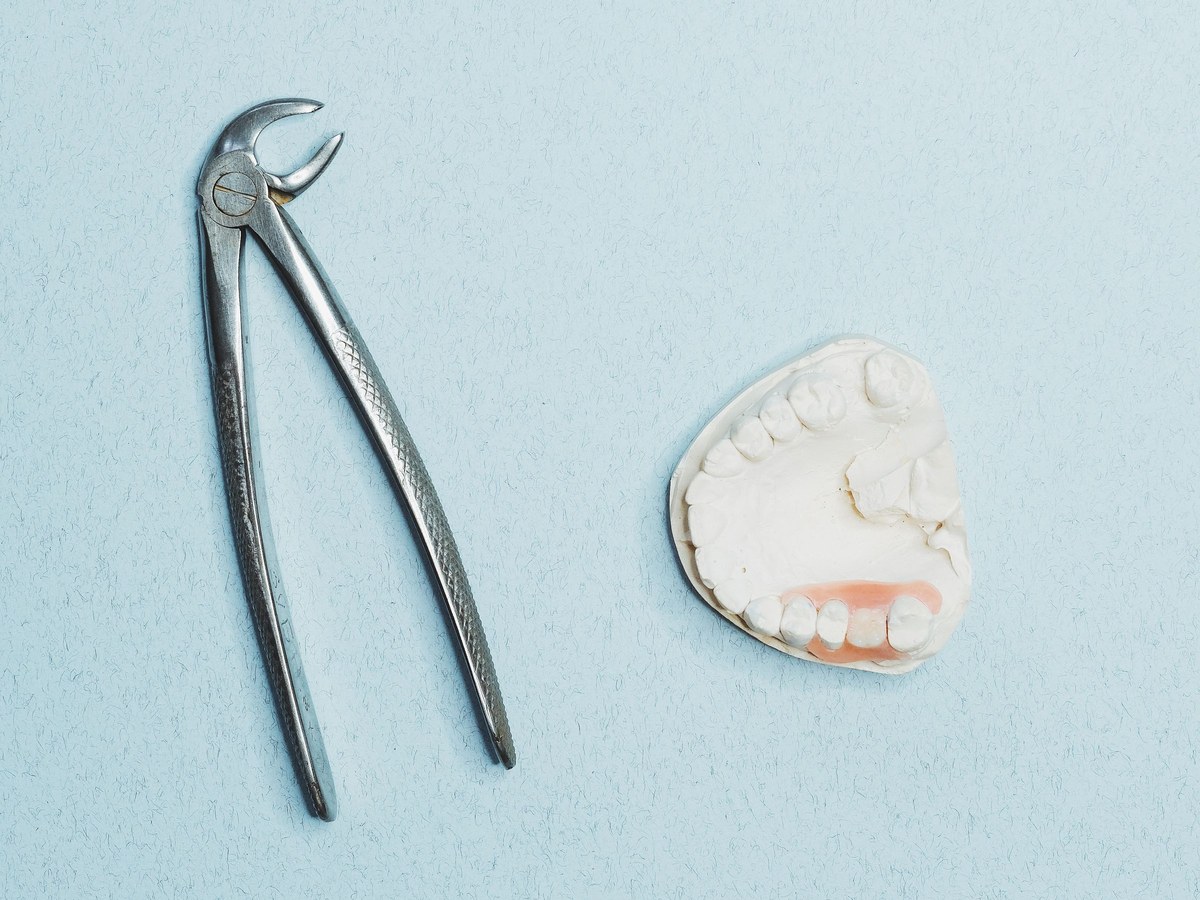
Preparing for Wisdom Teeth Removal is not complicated, but it does reward forethought. The difference between a rough first three days and a manageable one often comes down to what you did before the appointment, not after it. When the anesthesia has worn off, your cheeks are swelling, and your jaw feels stiff, the last thing you want is to discover you have nothing soft to eat, no extra gauze, and a bedroom that requires climbing stairs every time you need an ice pack.
Most people focus on the procedure itself. That is understandable. Yet the recovery environment matters just as much in practical terms. A well-prepared home reduces unnecessary movement, helps you stay on schedule with medication, and lowers the chance that you will do something unhelpful in a groggy moment, like using a straw, eating something sharp, or forgetting post-operative instructions. Good preparation also makes it easier for a family member or friend to help without having to improvise.
Recovery after Wisdom Teeth Removal is rarely identical from one person to the next. A healthy teenager having four uncomplicated extractions may bounce back quickly. An adult with impacted lower molars, stitches, and a history of swelling may need more support and a little more patience. The common thread is that comfort improves when the space around you is set up intelligently.
Start by planning for the first 48 hours, not the whole week
The first two days deserve the most attention. That is when numbness wears off, bleeding is most likely to need monitoring, swelling begins to build, and eating can feel awkward. If your home is arranged for that short window, the rest of the week usually gets easier.
Think in terms of friction. Every extra trip across the house, every missing item, every confusing instruction adds friction. The best setup Wisdom Teeth Removal keeps what you need within arm’s reach of where you plan to rest. If you have ever helped someone after oral surgery, you know how small obstacles become surprisingly annoying. Even opening a difficult pill bottle can feel like a major task when someone is tired and uncomfortable.
Choose one recovery zone in advance. For some people, that is a bedroom. For others, it is a sofa or recliner in the living room. What matters is that the spot allows you to rest with your head elevated, reach water easily, and avoid too much walking while unsteady.
Build a recovery station that makes rest easy
A dedicated recovery station sounds more formal than it is. In practice, it is simply one place where the essentials live for the first day or two. This helps more than people expect. After sedation, even organized adults can become forgetful and vague. You do not want medication in the kitchen, gauze in the bathroom, lip balm in a purse, and your phone charger in another room.
Here is a practical setup that works well:
- Pillows to keep your head elevated
- A small table with water, medications, and a clock or phone
- Ice packs or cold packs ready in the freezer
- Gauze, tissues, and lip balm within reach
- A towel on the pillow or couch in case of drooling or minor oozing
A recliner can be especially useful if you have one, because it naturally keeps the head up. If not, two or three firm pillows usually do the job. Elevation helps limit swelling and can make resting more comfortable, especially the first night. Some patients try to sleep flat because they are tired, then wake up with more throbbing and stiffness than expected.
Keep lighting soft but adequate. Recovery spaces often get set up with the comfort of a sick day in mind, but dim lighting can make it harder to read medication labels or check the time. A side lamp is often better than overhead light. If you wear glasses, keep them nearby. That small detail matters when you are trying to follow instructions accurately.
Stock the kitchen before the appointment
Food is one of the most common oversights. People remember that they need soft foods, but they often buy the wrong kind. “Soft” does not just mean easy to chew. It also means low irritation, low risk of getting lodged in extraction sites, and easy to manage if opening your mouth is uncomfortable.
For the first day, temperature and texture matter most. Cool or lukewarm foods usually feel better than hot ones. Very hot soup, spicy dishes, crunchy toppings, rice, seeds, and anything that breaks into sharp little pieces can be a poor choice early on. By the second or third day, many people can widen the menu, but the first meals should be simple.
A sensible kitchen plan includes foods you can eat with minimal effort, enough calories to avoid taking medication on an empty stomach, and enough variety that you will still want to eat when your appetite is low. Yogurt, applesauce, pudding, mashed potatoes, broth, blended soups once they have cooled appropriately, smoothies eaten with a spoon if advised to avoid straws, scrambled eggs once chewing is tolerable, cottage cheese, oatmeal if it is smooth and not too hot, and well-mashed avocado are all common options. If dairy upsets your stomach after anesthesia, have non-dairy alternatives on hand instead of discovering that issue mid-recovery.
This is one area where experience matters. People often buy only sweet foods, then by the end of the first day they desperately want something savory. A few bland, savory options can make a big difference. Plain mashed potatoes or a smooth soup can be easier to tolerate than another serving of gelatin or pudding.
If someone else is shopping for you, be specific. “Get soft foods” is not specific enough. “Please get yogurt, applesauce, broth, mashed potatoes, and eggs” works much better.
Think carefully about hydration
Hydration matters after Wisdom Teeth Removal, but the method matters too. Most oral surgeons advise avoiding straws because the suction can disturb the blood clot forming in the socket. That clot protects the underlying bone and nerve endings. If it dislodges too early, recovery can become much more painful. Many patients know the phrase dry socket, but they underestimate how often it starts with something preventable.
Set out a regular cup or a water bottle that does not require suction. Sip rather than gulp, especially while numbness lingers. It is easy to dribble or bite the inside of your cheek when sensation is reduced. Some people do better with a cup that has a wide opening and a lid, simply because it is easier to handle while tired.
If you tend to forget fluids when resting, keep water visible. A bottle across the room may as well not exist. Mild dehydration can worsen headache, fatigue, and the general washed-out feeling that sometimes follows sedation and limited food intake.
Prepare your medications before you need them
This is the part many households leave until too late. When you get home, you may be sleepy, numb, and not in the best shape to organize prescriptions. Fill medications before the procedure whenever possible, and place them in one designated spot. Read the labels ahead of time. If the surgeon has recommended alternating medications or taking something at set intervals, write the schedule down clearly.
A simple written plan often works better than relying on memory. That is true for patients and caregivers alike. Pain tends to stay better controlled when medication is taken as directed instead of waiting until discomfort spikes. Once severe pain takes hold, it is harder to get back ahead of it.
There are also practical side notes worth considering. If you have a history of nausea after anesthesia or pain medication, ask in advance whether anti-nausea strategies are appropriate. If constipation is a known issue with certain prescriptions, planning for hydration and gentle foods helps. None of this is glamorous, but it is real-life recovery management.
Keep children and pets away from the medication area. This sounds obvious, yet recovery stations are often created in casual family spaces where normal household habits continue around the patient.
Make the bathroom recovery-friendly
The bathroom becomes more important than people expect after oral surgery. You may be changing gauze, checking bleeding, rinsing carefully when instructed, and managing swelling or light-headedness. A few adjustments help.
Clear the sink area so it is easy to set down supplies. Put out clean hand towels. Have extra tissues available. If your surgeon has recommended saltwater rinses starting the following day, make sure you have salt in the house and a clean glass or small cup reserved for that purpose. If you have a large bathroom mirror with harsh lighting, that can actually encourage too much poking and peeking at the extraction sites. Looking constantly tends to increase anxiety without helping. A quick check for significant bleeding is reasonable. Repeated inspection is not.
If you know you get dizzy after procedures, keep the bathroom floor dry and uncluttered. It sounds minor, but a slick bath mat and post-sedation wobbliness are a poor combination.
Arrange for help, even if you expect an easy recovery
A surprising number of people downplay how useful another adult can be for the first day. Even patients who recover smoothly often benefit from someone who can track time, remind them about gauze changes, prepare food, and make sure they are drinking enough. If you are receiving sedation, you will usually need someone to drive you home anyway. Ideally, that person should be available for more than the car ride.
Good support is less about hovering and more about reducing decision-making. Recovery feels easier when someone else can answer small practical questions like whether it is time for the next ice pack cycle or where the extra pillowcases are. If you live alone, that does not automatically create a problem, but it does mean your preparation has to be tighter. Set out everything in advance, charge your phone, and consider asking a friend or relative to check in by phone or text later that day.
For parents preparing a teen for Wisdom Teeth Removal, assign one point person. Too many helpers can create confusion, especially around medication timing. One adult should know the instructions, keep the schedule, and notice if something seems off.
Get your sleeping setup right before you leave for the procedure
Nighttime is often when people realize they were underprepared. They come home tired, settle in, then discover that sleeping comfortably with an elevated head is harder than expected. Prepare the bed or couch before you leave for the appointment. Fresh pillowcases, extra pillows, a nearby wastebasket, and easy access to a lamp and charger all help.
Some drooling or light blood-tinged saliva can happen, especially in the early hours. That is why an older towel over the pillow can be a smart move. It is a small courtesy to your future self. Breathing through the mouth can also dry the lips quickly, particularly if swelling makes you keep your jaw slightly open. Lip balm belongs near the bed, not in a bathroom drawer across the hall.
If you share a bed and expect restless sleep, consider whether one night of separate sleeping space would make everyone more comfortable. This is not a relationship issue, it is simply logistics. More pillows, less disturbance, easier access to supplies.
Reduce the temptation to break the rules
A lot of home preparation is really behavior design. If chips, crusty bread, spicy takeout, and straws are the easiest things to grab, they become more tempting when discomfort and boredom set in. Remove obvious friction by putting unsuitable foods out of sight for a few days. Put the recovery foods front and center. Keep a spoon by the yogurt. Keep a regular cup on the counter. Make the right choice the easy choice.
The same goes for nicotine and alcohol if those apply to you. Surgeons commonly advise avoiding both during the initial healing period because they can interfere with recovery and irritate tissues. If that is likely to be difficult, acknowledge it beforehand rather than assuming willpower will carry the day while you are uncomfortable. Planning support matters more than pretending the challenge does not exist.
Know what normal recovery looks like at home
Many anxious calls after Wisdom Teeth Removal happen because patients were not told what ordinary healing can feel like. Some oozing is normal early on. Mild to moderate swelling usually peaks around day two or three. Jaw stiffness is common, especially with lower impacted teeth. A sore throat or ear discomfort can happen because of inflammation and referred pain. Bad breath and an unpleasant taste are not unusual in the short term either, provided there is no dramatic worsening or other signs of trouble.
That said, home preparation should include a clear idea of when to call the surgeon. Progressive swelling with fever, bleeding that does not slow with appropriate pressure, medication reactions, severe pain that suddenly worsens after initial improvement, or signs of dehydration deserve attention. Have the office number saved in your phone before the procedure. Do not count on finding a crumpled discharge paper later.
This is where a calm environment helps. People assess symptoms better when they are not scrambling for gauze or searching online at midnight because no one knows where the instruction sheet went.
A few items are worth buying even if you never need them
Some recovery purchases feel unnecessary until the moment they become extremely useful. Extra gauze is a good example. The office provides some, but many patients are glad to have more. Reusable gel ice packs are another. A small stack of clean washcloths can help with cold compresses or face washing when you feel sticky and tired. If you are prone to nausea, bland crackers for later in recovery may help once chewing is safe enough.
The key is moderation. You do not need to turn your house into a surgical ward. Most recoveries are straightforward. The goal is not over-preparation, it is targeted preparation. Buy what supports comfort and lowers risk, not what feeds anxiety.
The night before matters more than people think
Preparation goes more smoothly when it is done before stress peaks. The evening before surgery is the right time to wash pillowcases, set out comfortable clothes, put soft foods at eye level in the fridge, and clear your bedside table. It is also the right time to review any fasting instructions carefully if sedation is planned. Problems on procedure day often begin with preventable mistakes the night before, such as misunderstanding when to stop eating or drinking.
This is also a good time to remove contact lenses if you wear glasses comfortably, charge your phone fully, and tell the person helping you what the plan is. Specific communication helps. “Please stay for two hours after we get home” is clearer than “I should be fine.”
If you are a caregiver, ask the patient what usually comforts them when they do not feel well. Some people want quiet. Others want a familiar show playing in the background. That sounds small, but small comfort measures often shape the mood of recovery more than people expect.
A practical checklist for the day before
- Fill prescriptions and read the dosing instructions
- Set up one resting area with pillows, water, gauze, and chargers
- Stock a few soft, bland foods and one or two savory options
- Freeze ice packs and clear space in the freezer for easy access
- Save the oral surgeon’s phone number in your contacts
Recovery goes better when the house is quieter
After oral surgery, ordinary household noise can feel surprisingly sharp. If possible, keep the environment calm for the first day. That does not mean silent, but it does mean reducing chaos. Vacuuming, loud music, constant visitors, and demanding errands have a way of making a manageable day feel much harder.
If you have young children at home, realistic planning becomes important. A parent recovering from Wisdom Teeth Removal may need backup help, especially during the first afternoon and evening. If pets are affectionate or jumpy, consider how to prevent accidental bumps to the face. A large dog greeting you enthusiastically is charming under normal circumstances and a terrible idea after extractions.
Many people underestimate how much recovery depends on conservation of energy. Staying home is not enough if the home itself is pulling you into activity.
What usually gets forgotten
The items people forget are not always the obvious medical ones. It is often basic comfort. A blanket if you tend to feel chilled after anesthesia. A way to occupy time that does not require much concentration. A shirt that goes on easily without irritating your face. A clean sink and uncluttered counter. These details sound almost too ordinary to mention, yet they tend to matter in real homes.
There is also the emotional side. Adults sometimes feel frustrated by needing help for such a common procedure. Teenagers sometimes feel more anxious than they admit. A prepared home sends a useful message: recovery is expected, manageable, and temporary. That lowers stress for everyone.
When preparation pays off
The best outcome is not a perfect, symptom-free recovery. That is not a realistic standard. The best outcome is that normal post-operative discomfort stays within the range you were told to expect, meals are simple rather than stressful, medication timing is clear, and the house supports healing instead of complicating it.
That is what good preparation does. It turns recovery from a scramble into a routine. After Wisdom Teeth Removal, you should be able to come home, settle into one place, hydrate carefully, eat something gentle, and rest without having to problem-solve every hour. That is not overthinking. It is just smart setup, and in my experience, it is one of the easiest ways to make the first few days noticeably better.
Oxnard Dentistry
1730 E Gonzales Rd, Oxnard, CA 93036, United States
+1 805-307-8731
FAQ About Wisdom Teeth Removal
How painful is it to remove a wisdom tooth?
Local anesthetic numbs the area during extraction. Pressure may still be noticeable; tell the dentist if you feel pain. Soreness and swelling afterward are common. Follow the pain-control instructions provided for your situation.
How long is recovery for wisdom teeth extractions?
Recovery varies with the tooth position and complexity of the extraction. Some people resume routine activities quickly, while others need several days of rest. Soreness, swelling and jaw stiffness can last up to two weeks. Follow your clinician's aftercare and activity advice.
What are the risks of wisdom tooth removal?
Possible complications include dry socket, infection, persistent bleeding and changes in sensation from nearby nerve injury. Your dentist or oral surgeon should explain your individual risks before treatment. Seek prompt dental advice for bleeding that will not stop, fever, or severe or worsening pain and swelling.