Cosmetic Dentistry Trends: Veneers Oxnard CA
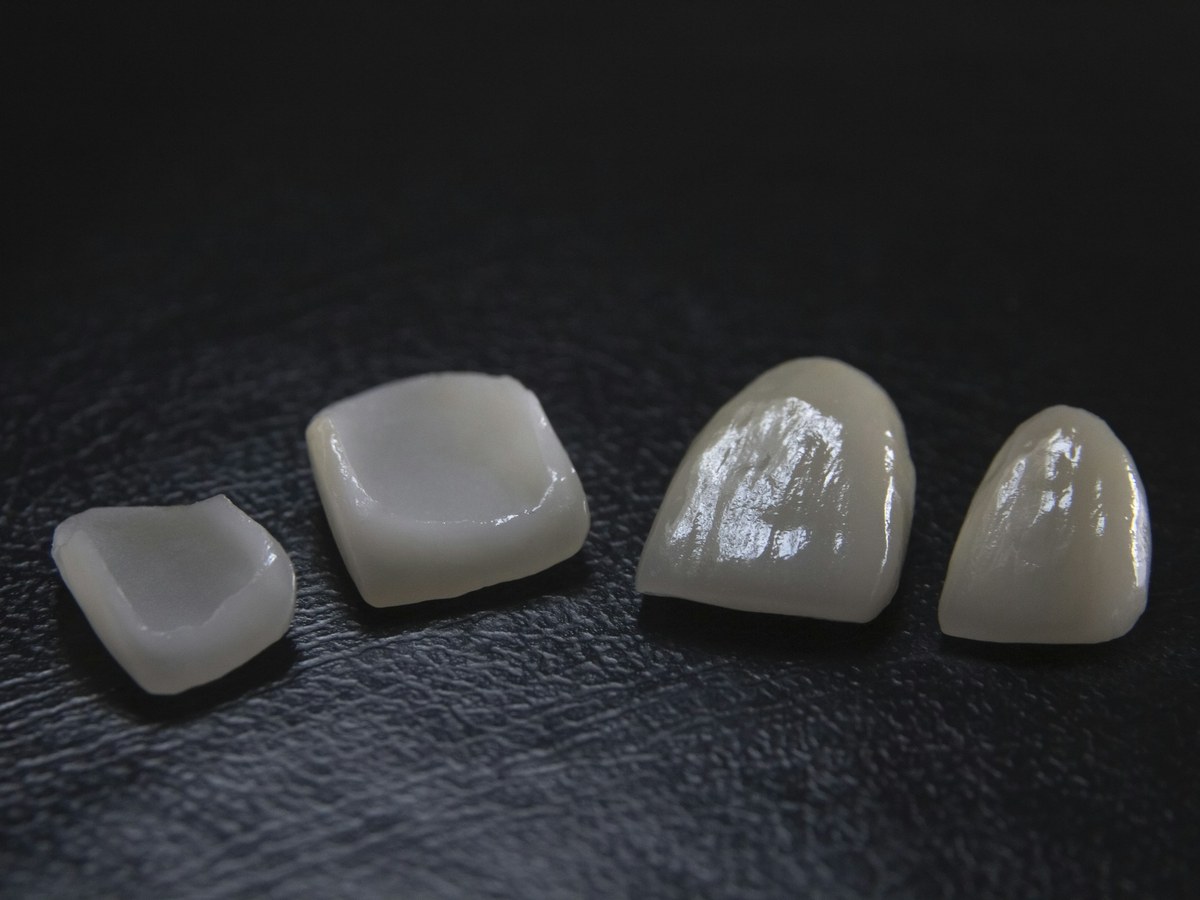
Cosmetic dentistry has changed quietly but dramatically over the last decade. Patients still want a brighter, more balanced smile, but the way they talk about it has shifted. The old model was simple: choose the whitest shade possible, make every tooth match, and aim for a camera-ready finish. What I see now, and what many dentists are seeing across Southern California, is a much more selective, informed, and aesthetic approach. People want improvement without losing character. They want photographs to look better, but they also want their smile to fit their face, age, skin tone, and even personality.
That shift is especially relevant when people start researching veneers Oxnard CA. The search term sounds transactional, but the decision rarely is. Veneers sit at the intersection of health, appearance, confidence, cost, and long-term maintenance. A patient may come in asking for a celebrity smile and leave wanting something softer, more believable, and easier to live with. That is not indecision. It is usually a sign that the conversation got more honest.
What patients are asking for now
Years ago, many cosmetic consultations started with a photo of an actor or influencer. That still happens, but not in the same way. More often, patients bring examples to describe broad preferences rather than exact replicas. They might say they want a cleaner edge on the front teeth, less crowding, a lighter shade that does not look opaque, or a smile that looks rested rather than remade.
The strongest trend is not “whiter” or “bigger.” It is “more natural, but better.” That sounds vague until you sit with enough cases. Natural does not mean uneven, dull, or worn. It means translucency at the edge, slight variation between teeth, contours that reflect light properly, and proportions that work with the lips and face. Better means correcting chips, shortening visual dark spaces, managing shape asymmetry, and creating a polished look without the flat, overbuilt appearance that gave veneers a reputation for looking artificial.
In a place like Oxnard, that preference makes sense. Patients live active lives, spend time outdoors, and often want cosmetic work that looks polished in daylight, not just under office lighting or filtered photos. Bright sunlight is unforgiving. Overly opaque veneers can look stark outside. A well-designed veneer case tends to respect that.
Veneers are getting thinner, but planning matters more
One of the most important clinical trends is the move toward more conservative preparation when appropriate. Modern ceramic materials allow dentists and labs to create very thin veneers in selected cases. That does not mean every patient is a no-prep candidate, because many are not. If teeth are rotated, bulky, darkly stained, or positioned in a way that needs real shape correction, some enamel reduction may still be the best route. But the overall philosophy has become more conservative.
That matters because enamel is valuable. Bonding veneers to enamel is generally more predictable than bonding to deeper tooth structure. When a case can be done with minimal preparation while still achieving proper contour and bite, it often supports both aesthetics and longevity. The keyword there is “proper.” Thin veneers only work when the case is planned carefully. If the dentist tries to avoid preparation at all costs, the result can look thick near the gumline or feel bulky against the lips.
Patients researching veneers Oxnard CA should understand this distinction. “No-prep” sounds appealing, and sometimes it is genuinely the right fit. But the best cosmetic outcome is not always the least invasive sounding option. It is the option that respects the starting position of the teeth, the bite, and the final shape.
The mock-up has become one of the most valuable parts of the process
Another trend that has earned its place is the temporary preview. Depending on the office and case, this may be called a mock-up, wax-up transfer, trial smile, or provisional phase. Whatever the label, the principle is the same: let the patient see and feel the proposed changes before the final ceramics are made or cemented.
This is where cosmetic dentistry gets practical. A smile can look perfect on a screen and still feel wrong in a real face. Teeth that look ideal in a close-up photo may seem too square when someone laughs. A patient may think they want long central incisors until they hear themselves speak with the mock-up in place. Tiny changes in length and contour affect more than appearance. They can influence speech, lip support, comfort, and how visible the upper teeth are at rest.
I have seen consultations turn around entirely during this stage. One patient wanted a very bright, highly uniform look because she had spent years noticing every small flaw in her front teeth. Once she wore a temporary design for a few days, she realized she did not want every edge identical after all. She asked for slightly softer corners and a touch more translucency. The final result looked more expensive, not less, because it stopped trying so hard.
That is a good example of why cosmetic trends are healthier now than they used to be. Better planning tools are helping patients choose what actually suits them rather than what simply photographs as dramatic.
Shade selection is more nuanced than “Hollywood white”
Shade selection has become subtler, and that is a welcome development. Very bright veneers still have their place, especially when a patient has naturally light coloring, specific aesthetic goals, or a full smile design that can support a brighter finish. But many people are moving away from the uniform chalk-white look.
Dentists and ceramists now talk more openly about value, chroma, and translucency, even if patients never hear those exact terms. In plain language, they are balancing brightness with realism. A smile can be light and still have depth. It can look youthful without looking artificial.
For patients considering veneers in Oxnard, this matters because lighting conditions vary so much between dental office settings, outdoor life, and phone photography. A shade that looks clean under operatory lights can appear flat in natural daylight. That is why experienced cosmetic dentists often assess shade in more than one lighting condition and consider surrounding teeth, skin tone, and the whites of the eyes. Good aesthetic work rarely happens by selecting “the whitest one” and moving on.
Gum aesthetics are getting the attention they deserve
Veneers do not exist in isolation. They sit within a frame, and that frame is the gumline. One of the biggest improvements in cosmetic dentistry is that more clinicians now address gum symmetry and smile architecture as part of the treatment plan, not as an afterthought.
Sometimes the issue is minor. A tooth may look short because the gumline is slightly uneven, not because the tooth itself needs major reshaping. In those cases, small soft tissue adjustments can improve the final outcome more than adding extra ceramic ever could. In other situations, the patient has inflammation, recession, or thin tissue that needs to be stabilized before cosmetic treatment begins.
This is one of those areas where trend language can mislead people. The “veneer look” some patients admire is often not about veneers alone. It is the combined effect of tooth shape, surface texture, edge design, and healthy, balanced gums. Skip one of those pieces and the result loses refinement.
Digital smile design helps, but judgment still drives the case
Digital photography, scanning, and smile simulation software have improved communication enormously. Patients can better understand the proposed changes. Dentists can collaborate with labs with much more precision. The workflow is cleaner, and in many cases, faster.
Still, a digital design is a starting point, not the final authority. Software can measure width-to-length ratios and align midlines, but it cannot fully interpret expression, age, or charisma. A smile that is mathematically neat can still feel lifeless. That is why the best cosmetic dentists use digital tools in service of human judgment, not instead of it.
This is worth mentioning because people searching for veneers Oxnard CA often compare offices based on technology alone. Technology matters. It can improve fit, efficiency, and planning. But a scanner does not create artistry by itself. The dentist’s eye, the ceramist’s skill, and the quality of the communication between them remain decisive.
The best veneer cases often involve fewer teeth than patients expect
There is a persistent assumption that veneers must be placed on eight or ten upper teeth to look balanced. Sometimes that is true, particularly when the smile is broad and many teeth show during conversation or laughter. But one of the more thoughtful trends in cosmetic dentistry is a willingness to do less when less will work.
A patient may only need four veneers and some whitening, reshaping, or bonding on adjacent teeth. Another may need six because the canines show prominently and would otherwise create a mismatch in shade or texture. The point is that treatment planning is becoming more individualized.
That is a positive change. Full cosmetic treatment should be guided by what is visible, what is structurally sound, and what creates harmony, not by a fixed package. Patients benefit when dentists resist overselling and instead explain why a certain number of veneers will or will not blend naturally.
Not every cosmetic concern calls for veneers
Veneers are versatile, but they are not the automatic answer to every aesthetic complaint. Sometimes whitening is enough. Sometimes orthodontic treatment, especially clear aligners, solves the underlying issue more conservatively. Sometimes bonding is a smart short-to-medium-term fix for chips or spacing. And sometimes the best plan combines these options.
Here is where experience matters. A patient with healthy teeth and mild crowding may get a better long-term result by straightening first and doing minimal finishing afterward. A patient with deeply stained enamel from old trauma or developmental discoloration may be an excellent veneer candidate because whitening will not solve the visual problem. A patient with active grinding may still be a veneer candidate, but only with a careful bite evaluation and a serious conversation about protection.
The current trend, thankfully, is toward better case selection. Good cosmetic dentistry is not defined by how often veneers are used. It is defined by how appropriately they are used.
What makes someone a strong veneer candidate
A strong veneer candidate usually has a blend of aesthetic goals and practical conditions that support a predictable result. The details vary, but several themes come up repeatedly:
- Teeth and gums are generally healthy, with decay and active gum disease addressed first.
- The patient wants shape, color, or minor alignment changes that veneers can realistically deliver.
- Enough enamel is present to support durable bonding.
- Bite forces are manageable, or can be managed with planning and a night guard if needed.
- Expectations are specific, but flexible enough to allow for professional guidance.
Even this list has nuance. A person who clenches at night is not automatically disqualified. Someone with old fillings on the front teeth may still be a good candidate, though the treatment plan may need to account for reduced enamel or different bonding conditions. The real question is whether the biological, functional, and cosmetic pieces line up.
Longevity is not just about the porcelain
Patients often ask how long veneers last, and the honest answer is that there is a range. Veneers Oxnard CA Well-made porcelain veneers can last many years, often well into the decade-plus territory, but longevity depends on more than the material. Preparation design, bonding quality, bite forces, oral hygiene, gum stability, and habits all matter.
I have seen beautifully fabricated veneers fail early because the bite was not stable. I have also seen older cases hold up admirably because the planning was conservative and the patient wore a night guard faithfully. People tend to focus on the ceramic because it is the visible part, but the hidden factors do much of the work.
Maintenance is straightforward, but it is not optional. Veneers do not decay, but the teeth underneath and around them can still develop problems. Gums can still become inflamed. Margins can still accumulate plaque if home care slips. That is why routine hygiene visits remain part of the cosmetic success story, not separate from it.
Cost conversations are becoming more transparent
Cosmetic dentistry has also improved in how it handles pricing discussions. Patients are more informed than they used to be, and they are quick to compare offices online. That creates pressure to simplify the conversation into a per-tooth number. While understandable, that number rarely tells the whole story.
Fees may reflect differences in diagnostic records, provisional work, lab quality, case complexity, gum contouring, or the amount of time devoted to planning and try-in stages. A lower quote is not automatically a bargain, and a higher quote is not automatically proof of superior work. The key is to understand what is included, what level of customization is involved, and who is designing and fabricating the case.
For anyone exploring veneers Oxnard CA, cost should be weighed alongside fit, philosophy, and trust. Cosmetic work is personal. Patients are not just buying porcelain. They are buying judgment, process, and the ability to make fine adjustments before something permanent is bonded in place.
Questions worth asking at a consultation
A cosmetic consultation goes better when the patient knows what to ask and the dentist is willing to answer plainly. The strongest offices usually welcome thoughtful questions because they know good cases begin with mutual clarity.
- How much tooth reduction do you expect in my case, and why?
- Will I be able to preview the proposed shape and length before final placement?
- How do you choose shade so it looks natural in different lighting?
- What alternatives should I consider before deciding on veneers?
- How will my bite and any grinding habits affect the plan?
The answers matter, but so does the tone. If a provider rushes through trade-offs, dismisses alternatives, or promises perfection too easily, that is useful information. Cosmetic dentistry is at its best when confidence is paired with restraint.
The local factor in Oxnard
Location shapes cosmetic dentistry more than people realize. In Oxnard, patients often want a result that feels polished and healthy rather than theatrical. That may reflect lifestyle, workplace culture, or simply the way people see themselves. It may also reflect the fact that natural light tells the truth.
There is also a practical side. People often prefer treatment plans that respect time and maintenance demands. Busy professionals, parents, and retirees alike want to know how many visits are involved, whether temporaries will feel manageable, how much post-treatment sensitivity to expect, and what sort of follow-up is normal. These are not side questions. They are central to whether a patient remains happy after the excitement of the reveal wears off.
A good veneer case should still feel right six months later when the patient is talking at dinner, smiling in the car mirror, or seeing themselves unfiltered on a video call. That kind of satisfaction tends to come from careful restraint, not maximal transformation.
Where the trend is headed
The future of veneers is likely to be even more personalized. Materials will keep improving. Digital tools will keep getting smoother. Labs will continue refining surface texture, translucency, and micro-characterization in ways that make restorations look more like enamel and less like generic shells.
But the more meaningful trend is philosophical. Cosmetic dentistry is moving away from one-size-fits-all beauty and toward a more mature standard, one that respects individuality, oral health, and long-term function. That is good for patients and good for the profession.
For anyone looking into veneers Oxnard CA, the smartest move is not to chase a trend blindly. It is to find a clinician who understands why the trend exists, where it helps, and where it should stop. The best veneer work does not announce itself from across the room. It simply makes the whole face look more at ease, as if the smile had always belonged there.
Oxnard Dentistry
1730 E Gonzales Rd, Oxnard, CA 93036, United States
+1 805-307-8731
FAQ About Veneers Oxnard CA
How long do porcelain veneers last?
Porcelain veneers can last for many years, but they can chip, loosen, or wear over time. Their lifespan depends on factors such as your bite, whether you grind your teeth, and daily care. Regular dental visits let your dentist check their condition.
Are dental veneers permanent?
Traditional veneers often require removing a small amount of enamel, so that change to the tooth is generally irreversible. Veneers can still need repair or replacement. Ask your dentist how much preparation your teeth would require.
How much do veneers cost in Oxnard?
Cost depends on the material, how many teeth you want treated, and whether you need other dental work first. Ask for a written estimate that explains the price per tooth and what is included.